
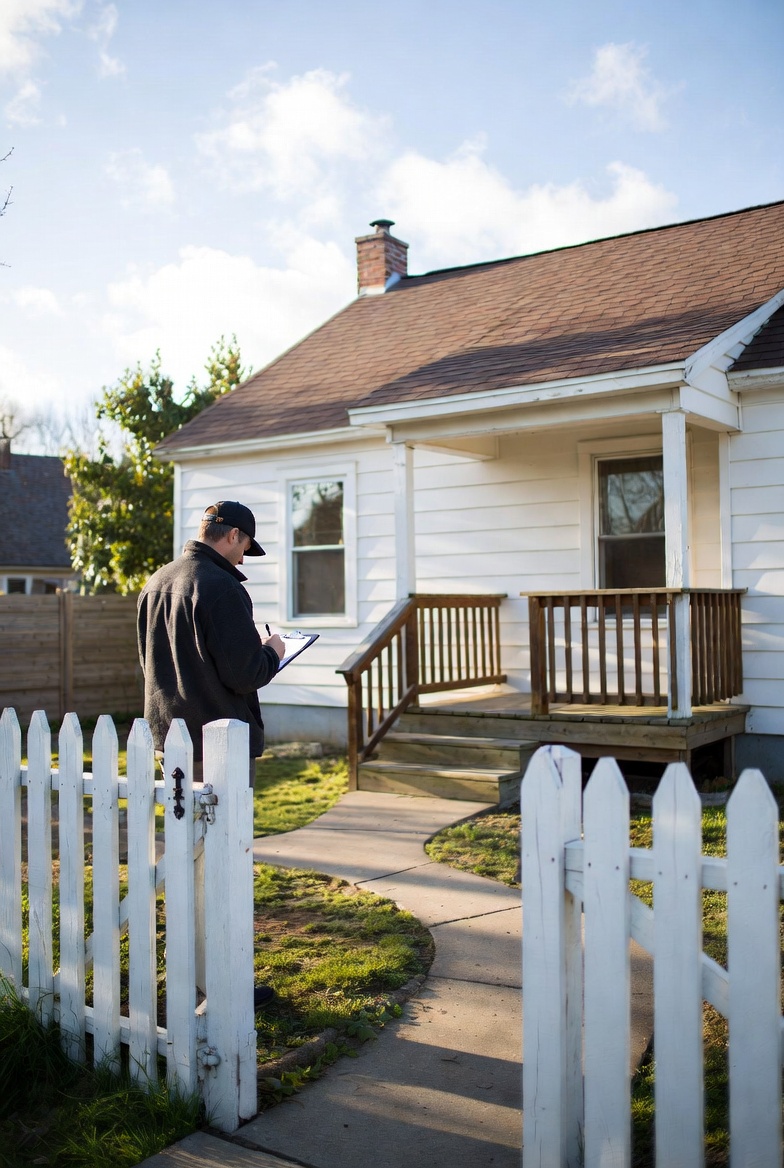
Understanding the Home Inspection: Your Essential Guide to Protecting Your Investment
3/9/2026
A home inspection is a critical step in the home-buying process, where a qualified professional thoroughly evaluates the property's condition to uncover any hidden issues. This unbiased assessment helps buyers understand exactly what they're purchasing beyond surface appearances, revealing potential problems in major systems and components. By identifying defects early, it empowers you to protect your investment, negotiate repairs or price adjustments, and avoid costly surprises after closing.
Here are key aspects every buyer should know:
- Structural integrity — The inspector checks the foundation, walls, roof, and framing for signs of damage, settling, or safety concerns.
- Roof and exterior — Examination includes roof condition, gutters, siding, windows, and grading to spot leaks, wear, or drainage problems.
- Plumbing and electrical systems — Pipes, fixtures, wiring, outlets, and panels are tested for functionality, code compliance, and hazards like outdated components.
- HVAC and appliances — Heating, cooling, ventilation, and major built-in appliances are evaluated for age, efficiency, and working order.
- Interior elements — Rooms, bathrooms, kitchen, attic, basement, and crawl spaces are reviewed for moisture, mold, insulation, and overall livability.
Getting a thorough home inspection isn't just recommended—it's one of the smartest ways to safeguard your biggest financial decision.